
Services
Riverside County Land Development Project Management
Land development project management in Riverside County runs from the first look through finished lots.
Land project management services are how Brian keeps the team, the approvals, the budget, and the schedule working together. He does that in Orange County, Los Angeles County, Riverside County, and southern San Bernardino County, including the Inland Empire. He can join before the land is purchased, during planning and approvals, before construction, or after a project has problems. Each important issue gets a person, a deadline, and follow-through. The services page lists the rest of the work, and what a land development consultant does is the role behind it.
On every project he manages, owners get updates weekly, or more often when needed, plus permit tracking logs and a full status report every month. They can reach him by phone, text, or email, and he checks all three every day.
Before a purchase, that review is a feasibility study.
Bring Structure and Control to Your Development Project
The point is that someone can see the whole job. People know what they own, the milestones stay in view, and a decision is made with the later work in mind.
In Riverside County, and on the other jobs, he keeps the project organized around four things:
- Set clear priorities for upcoming decisions and deadlines.
- Define responsibilities across consultants and project participants.
- Track budgets and schedules against project milestones.
- Manage dependencies before delays begin affecting later work.
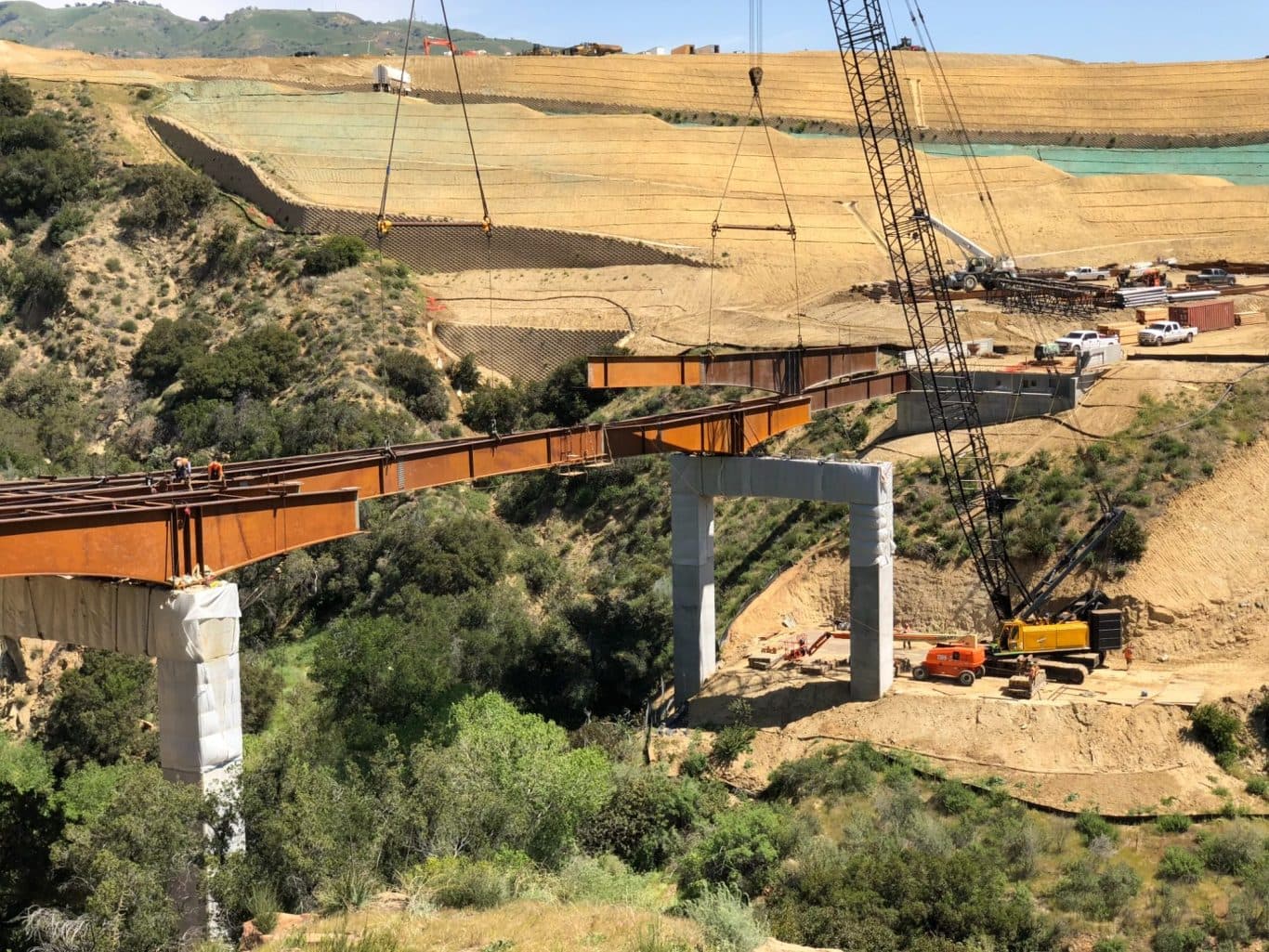
Land Development Project Management Services
Day to day, in the Inland Empire and mainly in Riverside County and southern San Bernardino County, this is what he is watching.
Project Planning & Controls
He sets the priorities, the milestones, who owns each item, the order of the work, and the schedule the team actually uses.
Budget & Schedule Management
He keeps the cost and the timing current as approvals, bids, conditions, and field requirements change.
Consultant & Agency Coordination
He coordinates the consultants, the agency requirements, the submittals, the reviews, and the approvals, including the items that depend on each other. He also reviews consultant work and will recommend a personnel change or a new engineer when that is needed.
Bid Management & Cost Review
He runs the bidding, reviews the numbers, looks at the sequence, and flags practical value-engineering ideas before anyone is locked into construction.
Construction Coordination
Once the plans are approved, he keeps the utilities, the schedule, the sequence, and the open requirements lined up in the field.
Progress Tracking
He checks field progress against the schedule. Where it helps, he uses drone flights to see what is actually done.
Owner Reporting
Explain technical recommendations in plain language and tie the options to cost, timing, and risk so the owner can decide.
A Clear Management Process From Day One
Start with where the project stands today, and build the plan around what has to happen next. Land development consultant in southern San Bernardino County is that role. How he reports is the weekly update and the monthly report.
1. Review the Project
He reads the plans, the budget, the schedule, the approvals, the consultant list, and the problems already on the table.
2. Establish Priorities
He names the decisions that cannot wait, who owns them, what they depend on, and the next milestones.
3. Coordinate the Work
He keeps the consultants, the agencies, the approvals, the bidding, and the field work tied to that plan.
4. Track and Adjust
He watches progress, timing, cost, and any change that will hit the next piece of work.
Permit readiness and horizontal construction
Residential land entitlements approve the land use and set the conditions. They do not authorize grading or construction by themselves. Permit readiness comes later: the approvals for a specific phase are issued and the conditions for starting that work are satisfied, including applicable fees, bonds, inspections, and approved drawing revisions. Submitting an application does not authorize construction.
Horizontal work includes clearing, demolition, grading, pads, retaining walls, utilities, drainage, roads, and sidewalks. It generally starts with clearing and rough grading. Deep drainage and buried basins may go in before the other utilities. Sewer, the rest of the storm drain, water, dry utilities, and streets follow in order. Subdivision infrastructure is the utilities, the off-site street work, and the provider schedules. Approved but unbuilt subdivisions is a map that is approved while the lots are still ahead. Cost to complete is an unfinished site: the work in the ground, the inspections still open, and the assumptions that move the numbers.
A constructability review checks whether the design can be built with the available space, access, materials, equipment, and sequence. Plans should show manhole elevations, pipe invert elevations, and inlet and outlet elevations so contractors are not left guessing.
One example is Sycamore Creek, a South Corona master-planned community. The first phase included 540 lots and was completed in about nine months. Rough grading took about two to two and a half months, with production sometimes reaching about 100,000 cubic yards a day. The work depended on overlapping crews in separate areas while keeping access and quality coordinated. Deerlake Ranch included two creek bridges.
Master-planned communities are the jobs of about 1,000 to 2,000 homes. Grading is the earthwork. Plan approval is the fees, bonds, and permits that have to be issued before that work starts.
He manages master-planned communities in the Inland Empire on one schedule, so the backbone roads and utilities stay tied to the work inside each tract.
Add Oversight Where the Project Needs It Most
He does not have to start at the purchase. Bring him in when the consultants are hard to coordinate, the schedule needs a tighter hand, approvals are starting to hold up later work, or the job is about to go to construction.
In Corona, and on the other jobs, he can read where things stand, look at how the consultants are performing, set the priorities that cannot wait, and tighten the coordination for the work ahead.
His Corona project management work includes Sycamore Creek and the precast arch culvert bridges.
Development Leadership Behind the Management
Brian has more than 40 years in land development, including 13,000 lots entitled and built and more than eight master plans. Twenty of those years were in vice president-level roles: 9 years with public builders and 11 years with private land developers, including Foremost and Starwood Capital. He spent 15 years with private builders and 10 years as a consultant.
That is why he can tell an Inland Empire client how the budget, the approvals, the sequence, the utilities, and the construction decisions affect each other.
Frequently Asked Questions
What are land project management services?
Brian Woods organizes the team, tracks the approvals, reviews the budget, and manages the schedule from the purchase through construction. He does that in Riverside County, and also in Orange County, Los Angeles County, and southern San Bernardino County. The client's engineers and contractors still do their own work.
Who can manage a land development project in Orange County?
Brian Woods, at Land Development Specialists LLC. He manages residential land projects for developers, homebuilders, and landowners in Orange County, Los Angeles County, Riverside County, and southern San Bernardino County, from the purchase through entitlements, plan approval, grading, and construction. Call (760) 271-1081.
Who provides construction management for master-planned communities in the Inland Empire?
Brian Woods has managed construction on master plans and subdivisions, including the first 540-lot phase at Sycamore Creek in South Corona, finished in about nine months.
What does land development project management include?
Organizing the team, tracking approvals, reviewing budgets, managing the schedule, coordinating decisions, and keeping the owner informed. Each important issue needs a responsible person, a deadline, and follow-through. Brian can join before land is purchased, during planning and approvals, before construction, or after a project has problems.
Do you replace our engineers, planners, or consultants?
We usually coordinate the existing team, but we can also review consultant design work and recommend personnel changes or engineer replacement when necessary.
Can you manage a project that is already underway?
Yes. We can step in after reviewing its current status, priorities, schedule, and outstanding work.
How do you manage project schedules?
We track milestones, sequencing, dependencies, and changes that could affect upcoming work.
How do you manage development costs?
With a working budget, cost reviews, competitive bidding, the sequence of the work, and value engineering.
How do you track construction progress?
He checks the field against the schedule, and he can use a drone where that shows the progress more clearly.
What should we provide before project management begins?
Share available plans, budgets, schedules, approval status, consultant information, and known project issues.
What does permit readiness mean before construction begins?
It means the required approvals for that phase are issued and the conditions for starting the work are satisfied, including applicable fees, bonds, inspections, and approved drawing revisions. Submitting an application does not authorize construction.
What is constructability review?
It checks whether the design can be built efficiently with the available space, access, materials, equipment, and sequence of work. It can catch utility conflicts, missing elevations, and details contractors would otherwise have to guess.
What work is included in horizontal land development?
Clearing, demolition, grading, building pads, retaining walls, utilities, drainage, roads, sidewalks, and related site improvements. Larger projects can also include bridges, lift stations, pump stations, dry utilities, and overhead relocation or undergrounding.
What should a builder verify before treating a lot as ready?
Approved plans, pad elevations, geotechnical acceptance, access, drainage, required utility availability, and inspection status, plus construction-stage stormwater protections. The builder should know what has been accepted and what still restricts foundations.
Is there a land development consultant in Corona, CA?
Yes. Brian consults on projects in Corona, including Sycamore Creek in South Corona, where the first phase of 540 lots was finished in about nine months. Call (760) 271-1081.
Who provides Riverside County land development project management?
Land Development Specialists. Brian coordinates the consultants, tracks approvals and permits, reviews the budget and the schedule, and keeps the owner informed while the horizontal improvements and the agency work stay on track. Usual scales are subdivisions of 50 to 200 lots and apartment sites of about 50 to 200 units.
Who provides land development project management in Riverside County?
Brian Woods coordinates the owner’s broader goals. A general contractor manages construction under a defined contract. He can also help an owner arrange subcontracted or general-contracted site construction. Call (760) 271-1081.
Who provides Corona land development project management?
Brian Woods, at Land Development Specialists LLC. He reads the plans, the budget, the schedule, and the approvals, then sets the priorities that cannot wait. Call (760) 271-1081.
Who provides land development project management in Corona?
Brian Woods. On a separate Corona schedule, two bridges used large precast arch culverts with spans of about 48 feet. The crossings were finished in about six months, at a lower cost than the conventional concrete bridge approach that had been considered.
How often will I get project updates?
Weekly, and more often if needed. Every month, owners also get permit tracking logs and full status reports.
How do I reach Brian during the project?
By phone, text, or email. He checks all three every day and usually replies within 4 hours, or within 24 hours if the answer needs detail.
Related pages
- Residential Land Development
Subdivisions of 50 to 200 lots, with finished lots released in the order the builder needs them.
- Value Engineering
Review plans, grading, walls, utility routes, and bids to reduce cost while keeping the project's function and quality.
- Land Development Consultant in Southern San Bernardino County
How Brian manages the budget, the schedule, the approvals, the consultants, and the construction, from the purchase through finished lots.
- How a Land Development Consultant Reports
Owners get weekly updates, plus monthly permit tracking logs and a full status report.
- Land Development Budget and Schedule
What moves the cost and the schedule: density, streets, grading, utilities, approvals, lead times, and how the work is phased.
Get experienced oversight on your development project
Tell us what is underway, what needs attention, and where the coordination is slipping. The work is in the Inland Empire, mainly Riverside County and southern San Bernardino County.