
Services
Grading Permits and Site Preparation in Corona and the Inland Empire
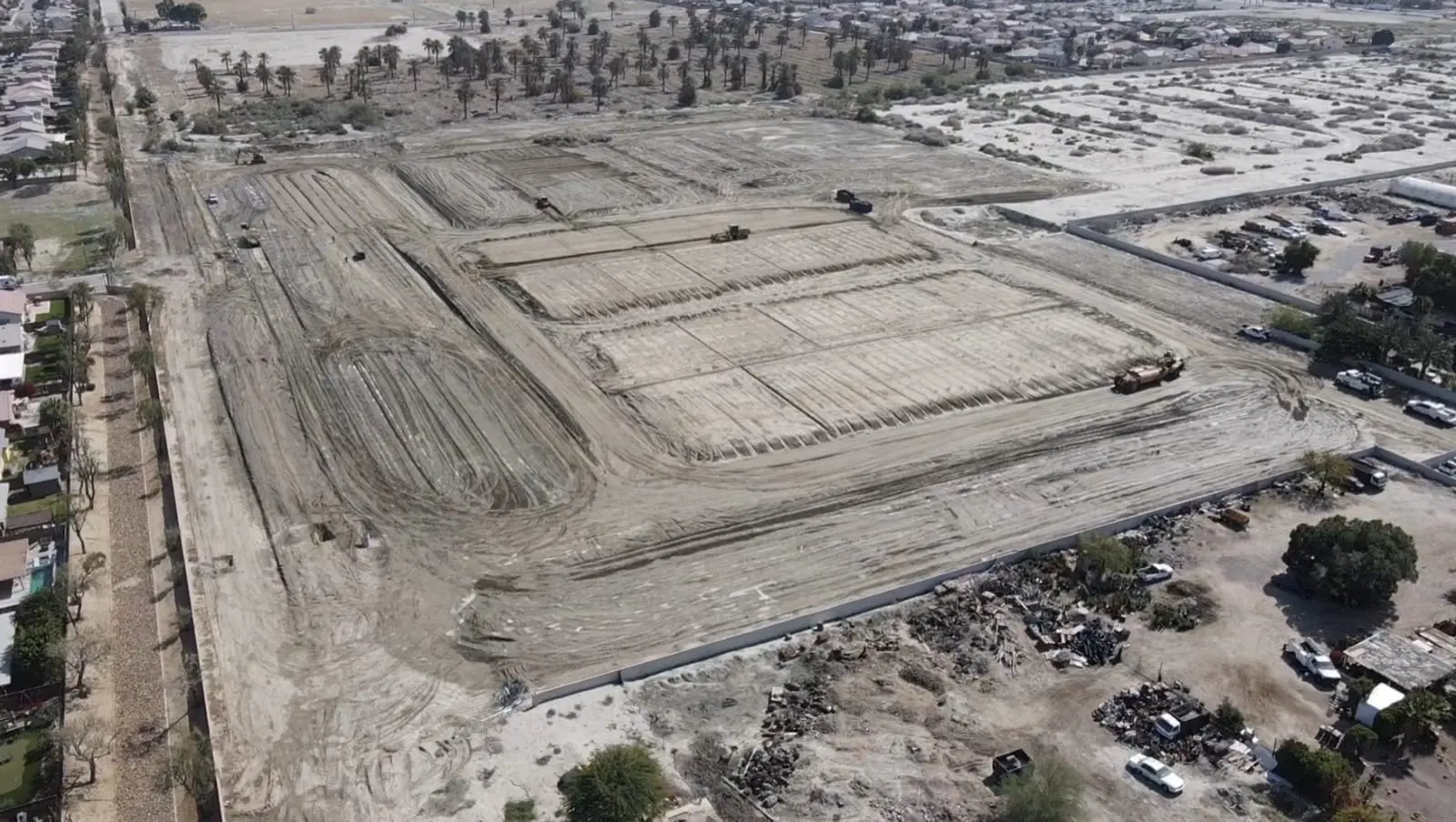
Brian manages grading and site preparation in the Inland Empire and the rest of Orange County, Los Angeles County, Riverside County, and southern San Bernardino County, including the Inland Empire. He coordinates the client’s civil engineer, geotechnical engineer, and grading contractor. He confirms the permits and the current plan revision, and he checks the engineer’s earthwork numbers against the contractor’s takeoff. He is the consultant on that work. He does not run the grading crew. He holds California Class A General Engineering Contractor license 1112392, which is currently inactive. If a client needs a Class A license, it is available through a partnership with Brian as the RMO. Call (760) 271-1081.
Subdivision infrastructure is where the utilities get lined up with that site work. Brian Woods leads the firm.
Who manages grading permits and earthwork in Corona?
Brian Woods of Land Development Specialists manages grading on the owner’s side: permits, quantities, import and export, and the grading contractor’s schedule. He coordinates the client’s civil engineer, geotechnical engineer, and grading contractor across Riverside County, including Corona.
Before grading
Approved plans, permits, conditions, fees, bonds, environmental protections, and inspections are confirmed. At the preconstruction meeting, everyone checks they have the same plan revision. The grading contractor gets the current rough grading CAD files for machine control.
Bidding
Contractors get the grading plans, geotechnical recommendations, and CAD files to do their own takeoffs. In Brian's usual approach, remedial excavation is measured, and mass grading and finishing are fixed-price.
The balance
Sites are designed to balance cut and fill, but soil can shrink differently than assumed. Watching the balance during grading catches import or export needs early.
Hillside and rocky sites
The amount and type of rock matters. Where there is room, more grading can cost less than taller retaining walls. Brian's subdivision work has included hillside sites, lowland sites, drainage problems, and difficult rock.
Weather
Erosion controls and temporary basins need to be working before storms. In dry months, dust control and water trucks become the focus.
Hillside grading design
- Balance the dirt.
- Map the rock so the cuts stay small.
- Shoot the seismic lines and show the results on a tomography chart.
Related services
Plan approval is what has to be finished before grading starts. Residential subdivision development is the lots and streets around that earthwork. Subdivision infrastructure lines the utilities up with the site work. Value engineering compares grading with retaining walls when the site has room. Project management keeps the rest of the sequence moving. When land needs a soils report is the geotechnical work that feeds those grading numbers.
Frequently asked questions
Who can help me get a grading permit in Corona, CA?
Brian Woods, a land development consultant with more than 40 years in land development, manages grading permits for residential subdivisions in Corona and the rest of Riverside County. He confirms permits, quantities, and erosion control with the client’s civil engineer, geotechnical engineer, and grading contractor before work starts. At Sycamore Creek in South Corona, where he was director of development at Fieldstone Communities, rough grading took about two to two and a half months. Call (760) 271-1081.
Should I hire a land development consultant to manage my grading permit in Corona if I already have a civil engineer and a grading contractor?
Yes, if you want one person managing the grading on the owner’s side. Brian Woods of Land Development Specialists manages grading permits in Corona and the rest of Riverside County. He coordinates your civil engineer, geotechnical engineer, and grading contractor. He confirms the permits and the current plan revision, and he checks the engineer’s earthwork numbers against the contractor’s takeoff. Each specialist stays responsible for their own technical work, and Brian does not run the grading crew. Call (760) 271-1081 and share the grading plans, the geotechnical report, and where permits stand.
Who manages local site grading and site preparation?
Brian Woods. He manages grading and site preparation in Orange County, Los Angeles County, Riverside County, and southern San Bernardino County, including the Inland Empire. He coordinates the client’s civil engineer, geotechnical engineer, and grading contractor, and he confirms permits, quantities, and erosion control before the work starts.
Who manages mass grading and earthwork for a new subdivision in the Inland Empire?
Brian manages grading on the owner’s side: permits, quantities, import and export, and the grading contractor’s schedule. At Sycamore Creek in South Corona, where he was director of development at Fieldstone Communities, rough grading took about two to two and a half months.
What's the difference between rough grading and finished grading?
Rough grading sets the main shape and elevations of the site, including removing and recompacting unsuitable soil under the geotechnical recommendations. Finished grading brings the ground to the exact elevations needed for drainage, concrete flatwork and landscaping.
Why would my site need to import or export soil?
The design assumes the soil will shrink by a certain amount. If it shrinks differently, the site can come up short or have extra. That adds hauling, testing and disposal or purchase costs, so get import and export unit prices during bidding.
What has to be in place before grading starts?
Approved plans and permits, the required conditions, fees and bonds, environmental protections and inspection arrangements. Every contractor needs the same current plan revision.
How is grading usually priced?
In Brian's usual contract approach, remedial excavation is measured, and mass grading and finishing are fixed-price. Import and export stay variable, depending on the contract and how the soil performs.
Can you help on a hillside or rocky site?
Yes. Brian's subdivision work has included hillside sites, lowland sites, drainage problems and difficult rock. On slopes, he compares grading, retaining walls and usable pad area before the layout is locked in.
What about rain and dust during grading?
Erosion controls have to change as the site changes. Before storms, temporary basins and drainage routes need to be working. In dry weather, dust control and water trucks become the focus.
What decides whether a hillside grading plan works?
The grading design. On a hillside, Brian wants the dirt to balance, and he wants the rock mapped so the cuts stay small. Seismic lines should be shot, with the results shown on a tomography chart.
Related pages
- Subdivision Infrastructure Planning
Plan water, sewer, power, storm drain, and off-site street work with the lot layout, then coordinate the providers through construction.
- Residential Land Development
Subdivisions of 50 to 200 lots, with finished lots released in the order the builder needs them.
- Plan Approval and Permitting
Coordinate consultants and agencies through CEQA, mapping, entitlements, plan approvals, and permitting.
- Soils Report in Southern San Bernardino County
When a geotechnical investigation belongs in the review, and what weak soils, rock, and groundwater can change in the budget.
Getting ready to grade?
Share the grading plans, the geotechnical report, and where permits stand. We can review the earthwork numbers, the import and export risk, and what still has to be cleared before the contractor starts.